
Matteo Vincenti
Today, an MCP-compatible SaaS allows you to use AI assistants like ChatGPT, Claude, and Gemini directly within business processes. On Page® has brought this capability to its PIM, enabling artificial intelligence to work on product information without exports or manual tasks. The main innovation is this: you can now ask the AI directly to act on PIM data, without any intermediate steps.
In the following paragraphs, we will see what concretely changes and what opportunities this new integration opens up.
MCP-compatible SaaS: fewer manual tasks, more value from product data
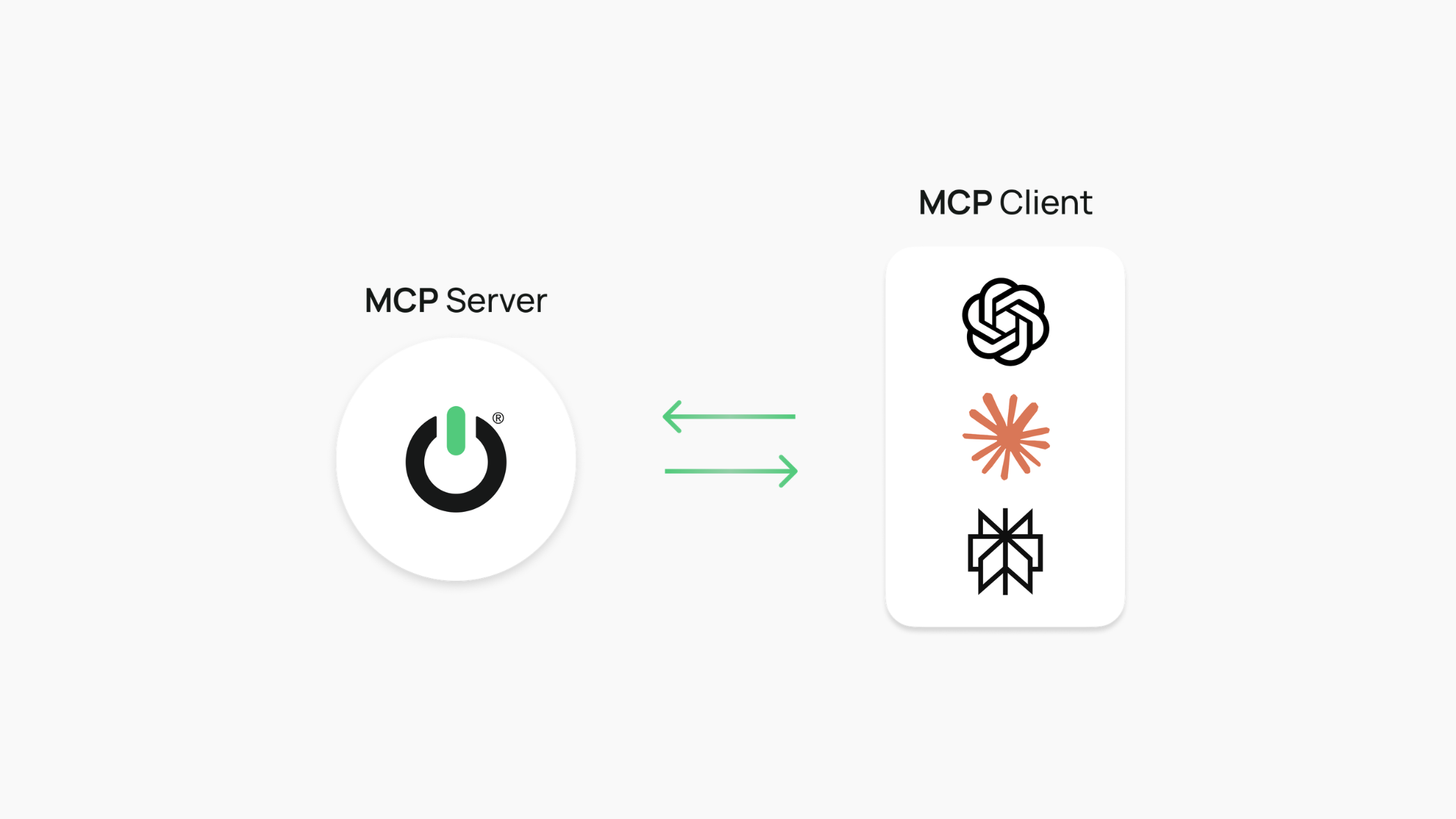
The integration is based on MCP (Model Context Protocol), the standard that allows connecting a PIM to the most popular AI assistants, ChatGPT, Claude, Gemini, and other compatible tools.
In practice, there is no longer a need to export data, paste it elsewhere, and copy the result back manually. You can ask the AI to analyze, fix, and reuse the product information stored on the platform.
- “Write an SEO-optimized description for this product line.”
- “Scan these technical sheets and show me immediately which data or attributes are missing.”
The result is less repetitive work and more time for activities that truly require human attention.
What can an MCP-compatible SaaS like On Page® do?
The usage possibilities are diverse: from more operational tasks to advanced scenarios related to the creation of actual digital assistants.
Creating product content in less time
AI can analyze product sheets already in the PIM and generate commercial descriptions, SEO-optimized titles, catalog content, translations, or targeted updates of individual fields from them.
A marketing team, for example, can start from the technical features of a product and request a version more oriented toward sales, without manually moving data from one system to another: they stay in the PIM, and the AI works on them.
Creating AI assistants that know the company’s products
One of the most interesting scenarios concerns the possibility of creating personalized AI assistants.
Consider a company that sells technical products with many variants and specific features.
Every day, customers, distributors, and the sales network may receive questions like:
- Which product is most suitable for this application?
- What are the differences between these two models?
- What characteristics should I consider for this project?
With an AI assistant connected to On Page®, this information can be consulted immediately.
The company can create a digital support that uses the data in the PIM to answer and help those who work with the products every day.
For a sales representative, it means having technical support always available during a negotiation. For a customer, it means finding the information they need more quickly.
Automating tasks and workflows
The integration between AI and On Page® also allows for creating more advanced automations:
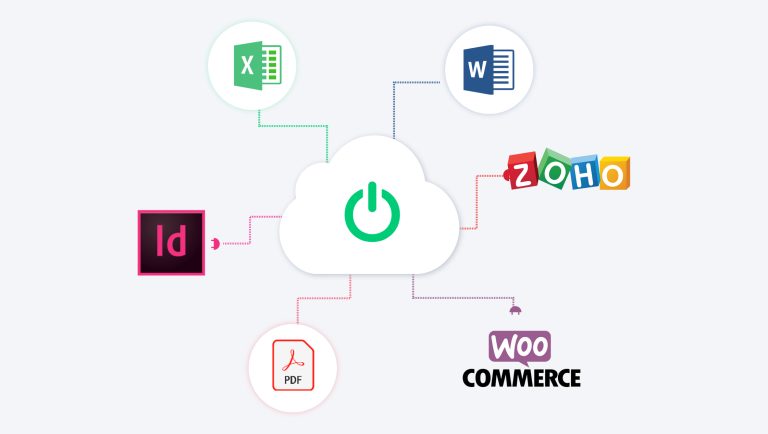
- reading an Excel file and automatically updating product data;
- creating analyses and statistics on the information in the PIM;
- identifying missing data or inconsistencies;
- updating multiple products simultaneously;
- connecting On Page® to other daily used tools.
The goal is to simplify those processes that take time but follow precise rules, leaving people with activities where experience and strategy are needed.
Who controls what: security in daily use
A point worth clarifying: the AI connected to On Page® operates with the same permissions as the user using it. It cannot access or modify data outside of what that user is authorized to manage, and more sensitive operations still require confirmation before execution. Control remains with the people.
The future of PIM: product data and AI work together
Product information management is entering a new phase. A well-structured PIM populated with clean data becomes the perfect condition to power new processes: intelligent assistants, advanced automations, and a significantly leaner way of working.
With the connection between On Page® and artificial intelligence, company data becomes a dynamic resource, ready for use by whoever needs it, exactly when it is needed.
Discover what On Page MCP can do for your company. Talk to our team
FAQ
What is MCP?
MCP (Model Context Protocol) is a protocol that allows AI assistants to connect to external tools, such as On Page®, and use the information present in corporate systems.
Can AI modify data in On Page®?
Yes, if the user has the necessary permissions. The AI assistant operates respecting the authorization levels assigned within the platform.
Do you need to be a programmer to use it?
No. Requests can be formulated through natural language, just as you would with a digital assistant.
However, it is necessary to use an MCP-compatible AI tool and correctly configure the connection. For this reason, today the functionality is particularly suitable for users who already have some familiarity with artificial intelligence tools and want to integrate them into their work processes.
Can artificial intelligence make mistakes?
Yes. Like any AI-based tool, it can make errors or incorrectly interpret some information. Therefore, it is important to always maintain human supervision over the activities performed.
Does the PIM need to be perfect to start using AI?
No. You can start even with data that is not entirely clean: the AI itself helps identify what is missing or what needs fixing, and the level of automation grows as the data improves.

Centralize, update, publish. Without starting from scratch every time.
Discover how On Page® centralizes and synchronizes product information.