
Mattia
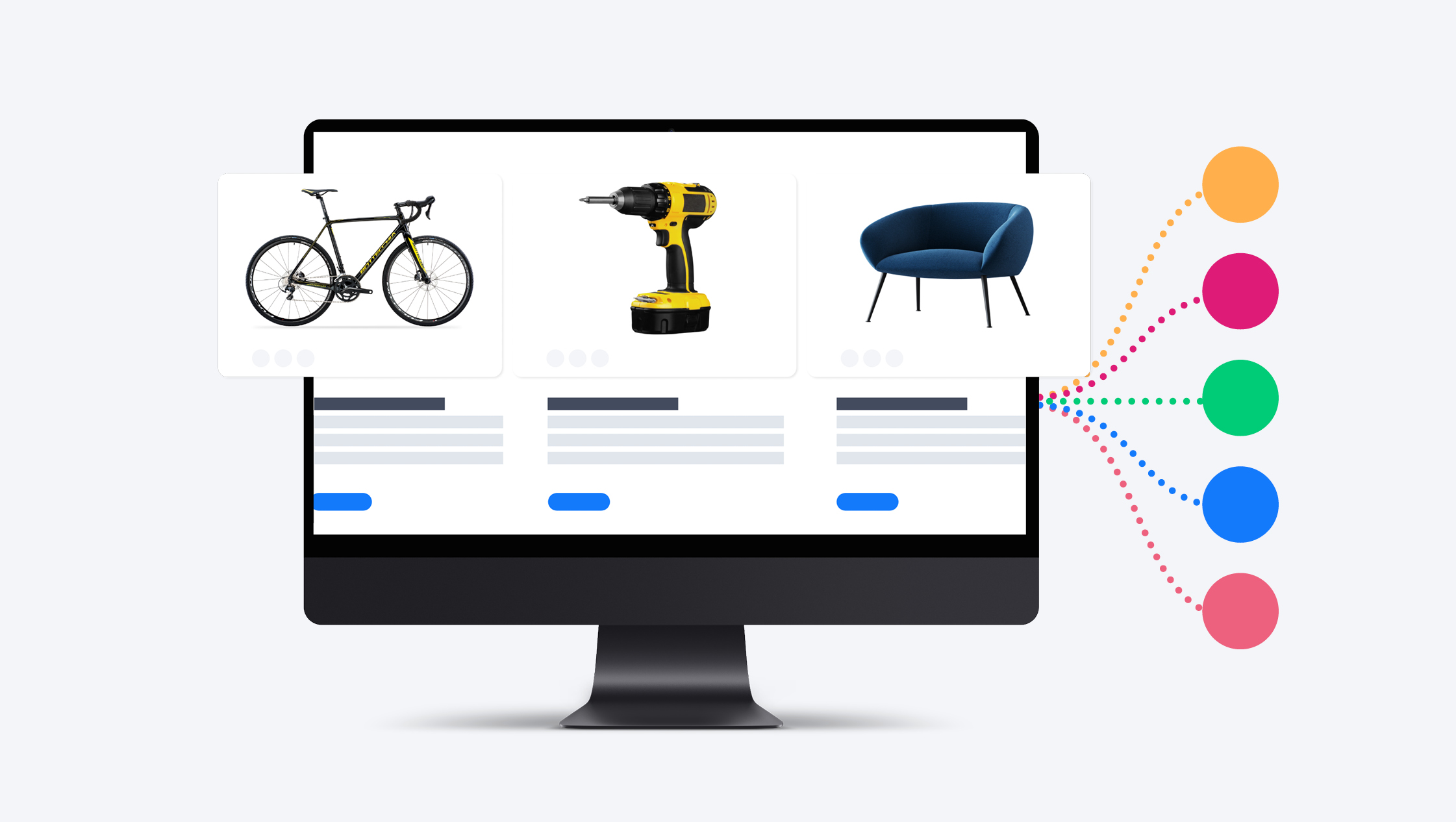
A PIM for eCommerce allows you to collect, organize, and distribute product information across online shops, marketplaces, and other sales channels. To choose the right one, you need to evaluate the management of variants, images, translations, and above all, its ability to integrate with business systems.
Because publishing a new product should be simple—at least on paper. Then come descriptions to complete, photos to associate, attributes to verify, and data to retrieve from the ERP. Multiply these operations across thousands of SKUs and the time dedicated to catalog management starts to add up.
Let’s look at how to choose a PIM and what factors to consider to effectively integrate it with your e-commerce platform.
PIM for eCommerce: how to choose the right one?
Before comparing software options, it is worth looking at how your company works.
Descriptions come from marketing, product codes from the technical department, and prices from the ERP. Meanwhile, whoever manages the e-commerce platform must bring everything together and publish complete product pages.
A good PIM should address several concrete needs:
- SKU and variant management: organize products by categories, attributes, dimensions, and specifications.
- Cross-department collaboration: allow different team members to contribute to product information.
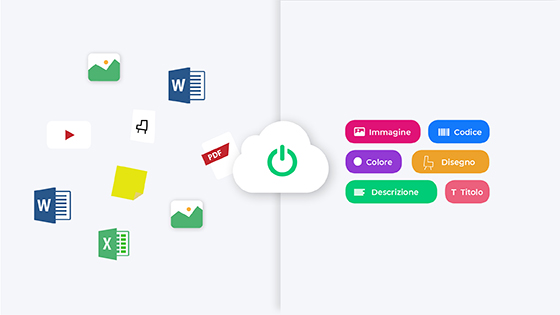
- Data Import: retrieve content from Excel, databases, and enterprise systems.
- Digital Asset Management: link images, videos, and documents to the correct product references.
- Scalability: support catalog growth and expansion into new sales channels.
Then there is a key question: how easily will the software connect with the technology stack you already use?
The 5 core aspects of PIM and eCommerce integration
1. Always synchronized product information
You’ve updated product dimensions in your company database. Now that change needs to reach the webshop without forcing someone to manually update every product listing.
With On Page®, information is organized and synchronized with connected systems through configurable workflows. The integrated DAM also enables you to manage images, videos, and other digital assets associated with your products.
2. Localization & translations for global sales
Launching a shop in Germany means managing descriptions, attributes, and content in the local language. And whenever a product feature changes, the translated versions must be updated as well.
Thanks to On Page®’s Glossary and translation tools, you can organize multilingual product data and reuse it across multiple channels, reducing repetitive tasks.
3. Catalogs and price lists beyond the online shop
A B2B client requests a customized price list, while your sales team requires an updated digital catalog.
With a PIM, you can leverage the same data powering your e-commerce platform to produce print catalogs, price lists, and technical datasheets, maintaining consistency between commercial collaterals and sales channels.
4. Marketplaces with custom rules
Amazon, eBay, and other marketplaces require specific attributes, categories, and formatting. A product page that is complete on your website might fall short elsewhere.
On Page® allows you to structure data according to channel requirements and set up dedicated feeds, streamlining product publishing and updates.
5. Integration with eCommerce platforms
Today you sell on WooCommerce, tomorrow you might launch a Shopify store or add a marketplace channel.
That’s why choosing a PIM with flexible integrations is essential. On Page® supports native connections with platforms such as WooCommerce, Shopify, Magento, and PrestaShop, alongside custom integrations via API.
Synchronization methods depend on your project architecture and business requirements.
PIM for eCommerce: why system integration expertise matters
A PIM can have all the features you need, but someone must determine which data to transfer, where to extract it from, and how to establish seamless system communication.
This is where technical expertise becomes critical.
Among On Page® partners is Bitwiser, an IT consultancy firm specializing in software development and system integration.
Bitwiser also focuses on e-commerce development, creating solutions integrated with ERPs, CRMs, and enterprise tools—key technical capabilities for building complex digital ecosystems.
Selecting software is only part of the journey. The key lies in designing a scalable workflow that adapts as your catalog expands, platforms evolve, or new markets open.
Discover On Page® and request a demo to find the ideal solution for your e-commerce store.
FAQ: choosing and integrating a PIM for eCommerce
An ERP manages business processes such as orders, inventory, and accounting. A PIM organizes and enriches product data dedicated to commercial sales channels. Both systems exchange data through dedicated integrations.
Yes, provided compatible connectors or APIs are available. Prior to integration, data structure and sync workflows should be verified.
It can push this data to connected channels if included in configured workflows. Prices and stock levels typically originate from the corporate ERP.
When your product catalog grows, variants increase, or publishing products across multiple sales channels demands extensive manual effort.

Centralize, update, publish. Without starting from scratch every time.
Discover how On Page® centralizes and synchronizes product information.