
Mattia
A PIM platform is software designed to centralize, organize, enrich and distribute product information. It helps companies bring products to market with complete, accurate and up-to-date information, consistent across different channels, languages and target markets.
Having a single hub where marketing, sales, production and technical departments can manage product information is essential. However, a PIM platform must also make it possible to distribute and publish this information across sales and communication channels while ensuring consistency in every language.
5 steps to managing product information with a PIM platform
1. Integrate the PIM platform with your business systems
PIM software integrates with company databases and business systems, enabling product information to flow directly between platforms and reducing repeated data entry, inconsistencies and errors.
When necessary, product information can also be imported manually, for example from an Excel spreadsheet.
2. Create a structure tailored to your product range
A Product Information Management platform allows companies to create the structure that best suits their product information.
Categories, subcategories, technical specifications, variants and options can be configured and managed in an organized way. This allows the PIM platform to adapt to the complexity of the product range and the company’s specific requirements.
3. Manage images, videos and documents with DAM features
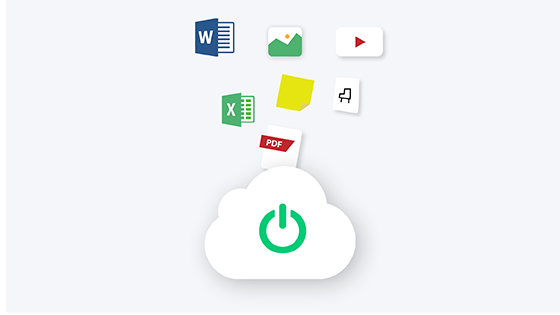
When a PIM platform also includes Digital Asset Management (DAM) features, digital content associated with products can be managed within the same environment.
Images, videos and documents can be linked to the corresponding product information, making them easier to update and distribute across different channels.
On Page® combines PIM and DAM features in a single platform, preventing product information and digital content from being managed across disconnected systems.
4. Manage product information in multiple languages
A PIM platform supports international growth through multilingual information management and a shared terminology database.
These features help companies maintain consistent terminology and product information across sales materials for different international markets. Every update can be managed through a controlled process, reducing inconsistent translations and outdated content.
5. Distribute product information across every channel
Publishing becomes easier because product information is organized, enriched and updated within a single hub.
From there, it can be distributed to catalogs, price lists, product sheets, e-commerce platforms, marketplaces, websites and applications. Marketing, sales and technical departments can therefore work with the same information while maintaining consistency across channels and markets.
What is the difference between PIM and DAM?
PIM and DAM systems manage different but complementary types of content:
- a PIM centralizes and organizes product information, including descriptions, technical specifications, product codes, variants and translations;
- a DAM organizes the digital assets associated with products, including images, videos and documents.
A platform that combines both systems connects every product with the correct information and digital assets, simplifying their distribution across different channels.
On Page®: the PIM platform with DAM features
On Page® is a PIM platform made in Italy that includes Digital Asset Management features. It provides a single environment for managing product information and the associated digital content.
The platform combines key features for effective product information management:
- ease of use;
- cloud-based access;
- integration with company databases and business software;
- multilingual management with automatic translation;
- customizable interfaces for clear information access;
- coordinated management of images, videos and documents.
By combining PIM and DAM features, On Page® gives every department access to accurate, shared and up-to-date product information, reducing manual activities and the risk of publishing inconsistent content.
Frequently asked questions about PIM platforms
What is a PIM platform?
A PIM platform is software that centralizes, organizes, enriches and distributes product information. It enables different business departments to work with shared and up-to-date information.
What is a PIM platform used for?
A PIM platform is used to manage product information in a single environment and distribute it to websites, e-commerce platforms, marketplaces, applications and sales tools.
What is the difference between a PIM platform and a DAM?
A PIM manages product information, while a DAM organizes related digital assets such as images, videos and documents. On Page® combines both sets of features within a single platform.
Can a PIM platform integrate with other business systems?
Yes. A PIM platform can exchange product information with company databases and business software, reducing duplication, manual data entry and inconsistencies.
Does a PIM platform support multiple languages?
Yes. Multilingual management makes it possible to organize and update product information for different international markets while maintaining consistent terminology.

Centralize, update, publish. Without starting from scratch every time.
Discover how On Page® centralizes and synchronizes product information.